

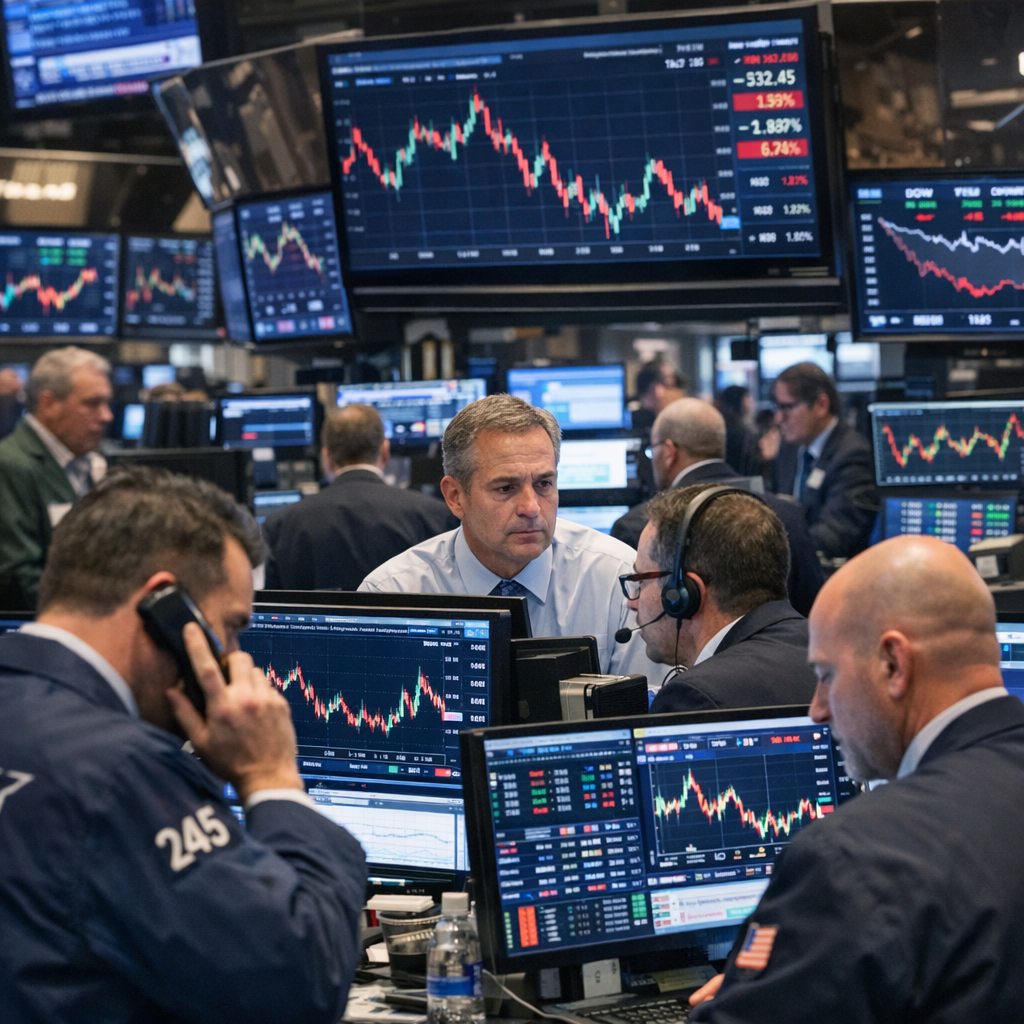
The U.S. economy is currently experiencing a mix of growth and challenges. Recent data indicates a slowdown in job creation, with the nation adding 73,000 jobs in July, a significant drop from previous months. This decline has raised concerns about the labor market’s strength and its implications for overall economic health.
Inflation remains a pressing issue, with the annual rate reaching 2.9% in August, up from 2.3% in April. This uptick affects consumer purchasing power and has led to increased scrutiny of monetary policies. The Federal Reserve has maintained its benchmark interest rate, citing concerns over rising prices and the potential impact of new tariffs on the economy.
Speaking of tariffs, recent executive orders have introduced new tariffs on various countries, aiming to address trade imbalances. However, these measures have contributed to market volatility, with the Dow Jones Industrial Average experiencing notable declines following the announcements.
Another significant concern is the national debt, which has surpassed $38 trillion. Experts warn that the growing debt could lead to higher interest costs and reduced confidence in the U.S. economy. BlackRock CEO Larry Fink emphasized the need for sustained economic growth to manage the debt-to-GDP ratio effectively.
In summary, while the U.S. economy shows signs of resilience, challenges such as slowing job growth, rising inflation, and increasing national debt require careful monitoring and strategic policy responses to ensure long-term stability.