

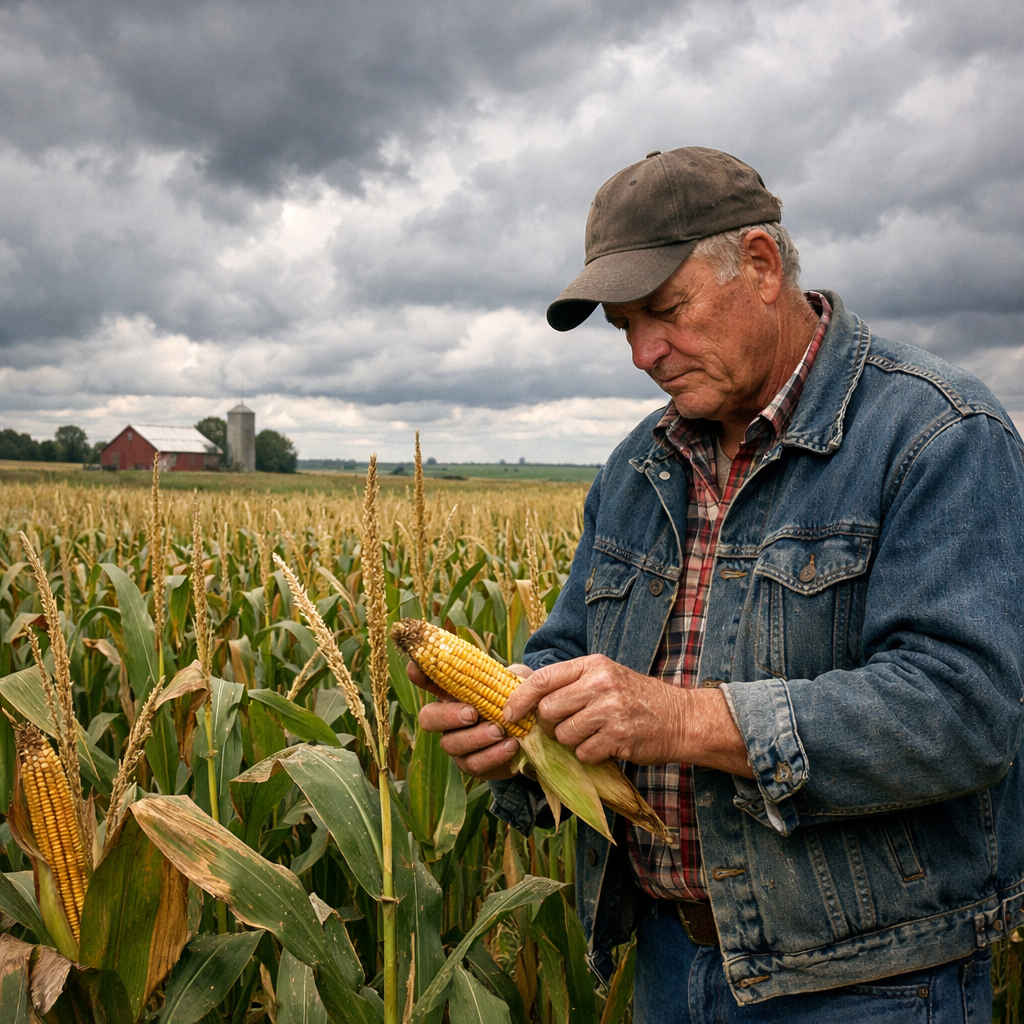
As a state deeply rooted in agriculture, Iowa’s economy is significantly influenced by global trade policies. Recent international trade developments have had tangible effects on local farmers and the broader agricultural sector.
Impact of Tariffs on Iowa’s Agriculture
In 2023, Iowa exported $13.5 billion worth of agricultural goods overseas. However, the introduction of tariffs has introduced uncertainty for farmers and small businesses reliant on exports. Aaron Lehman, president of the Iowa Farmers Union, highlighted that increased tariffs raise the price of Iowa’s products for international buyers, making them less competitive compared to those from countries with lower tariffs. This situation not only affects farmers but also local machinery dealers, input suppliers, and financial institutions that support the agricultural industry.
Governor’s International Engagement
In September 2025, Governor Kim Reynolds delivered a keynote address at DialogueNEXT, a symposium in New Delhi, India, hosted by the World Food Prize Foundation. During her speech, she emphasized Iowa’s pivotal role in global food production, noting that with just over three million people, the state produces enough corn, pork, eggs, beef, and dairy to help feed hundreds of millions worldwide. This engagement underscores Iowa’s commitment to strengthening international agricultural ties and addressing global food security challenges.
Looking Ahead
As global trade policies continue to evolve, it’s crucial for Iowa’s agricultural community to stay informed and adaptable. Engaging in international dialogues and understanding the implications of trade agreements will be essential for sustaining and growing Iowa’s agricultural economy in the global marketplace.